Foofy betekenis in het engels
foofy (comparative foofier, superlative foofiest) Excessively frilly or frou-frou, typically in a manner calculated to attract attention to an otherwise unremarkable person or event. Poofy; inflated in a funny way. Big and fluffy. Deze kosteloze service van Google kan woorden, zinnen en pagina's onmiddellijk vertalen tussen het Nederlands en meer dan andere talen. 


- Foofy betekenis in het engels Entries where "foofy" occurs: poof: of smoke or wind; caused by a deflating object, or a magical disappearance. Poof, he was gone. Derived words & phrases foofy poofy Translations poof - deflating object or a magical disappearance Finnish: puff French: puffy: swelling, inflated. Speaking or writing in an exaggeratedly eloquent and.
Foofy meaning
Foofy means fluffy or frilly, and is perhaps a blend of fluffy and frilly. It is a rare word that first appeared in the s. foofy (comparative foofier, superlative foofiest) Excessively frilly or frou-frou, typically in a manner calculated to attract attention to an otherwise unremarkable person or event. Poofy; inflated in a funny way. Big and fluffy. Foofy meaning Foofy is an adjective that can mean fluffy, puffy, lemon-tasting, gay, or snooty, among other things. It can also be a nickname for FlavorFlav or a way to say fart. See how people use foofy in different contexts and sentences.Slang dictionary
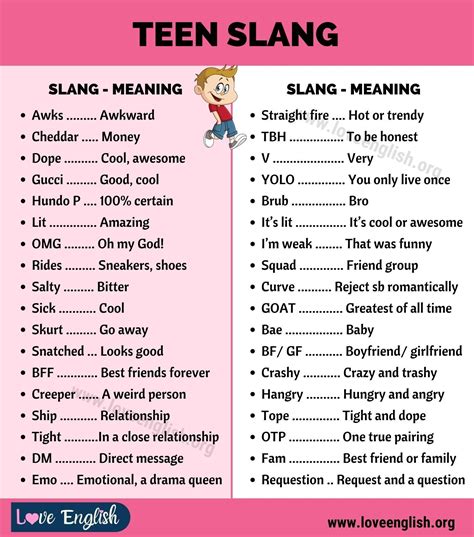
Started in , The Online Slang Dictionary is the eldest slang dictionary on the. We bring you more than 24, real definitions for over 17, slang words and phrases. You'll find more than 5, citations from TV shows, movies, news publications, and other sources. is an online database of slang terms, definitions, and examples. Browse by letter, popularity, or topic, and learn the latest internet slang from etymologists, linguists, and word-weirdos. Slang dictionary Find definitions for popular slang and trending words, phrases and emojis.Informal english
Learning the difference between formal and informal English words is very important for speaking and writing well. We use formal words in school, work, and official situations, while informal words are more common with friends, family, or online chats. Knowing when to use the right word helps us sound clear and respectful. Learn the difference between formal and informal English with examples of verbs, transitions, emphasis words, abbreviations, and slang. Test your understanding with a quiz and get the answers at the end of the lesson.- Informal english Learn the differences between formal and informal language in English, and how to use them in different situations and contexts. Find out how grammar, vocabulary and modality affect the formality of language.